

Five Resizing Requests You Can Ask Your Tailor
Table of Contents
Nobody tells you that a garment can change size right along with you. So pieces just sit there, worn once, worn never, waiting for a version of your body that either isn't coming back or hasn't arrived yet, while a completely fixable fit problem quietly turns into a donation pile.
A tailor can move a garment in either direction, often more than people expect, and the piece you assumed was finished was usually just waiting to be asked. Here's exactly what to ask for, and how far each request can actually go.
1 of 5
Taking In: The Most Common Resizing Request
Taking in covers weight loss, a dress that runs large, or a suit passed down from someone bigger than you. In every case, your tailor removes fabric at the seams and brings the garment closer to your actual measurements.
Look inside any seam and you'll find seam allowance, the extra fabric folded past the visible stitch line. That allowance gives your tailor room to work. Most ready-to-wear pieces carry enough of it that a tailor can take it in by one to two full sizes without touching the garment's basic structure. Trousers, skirts, and simple tops respond especially well, since their seams run in straight, easy to reach lines.
Waist, Torso, Hip, and Chest Adjustments: Which Garments Handle It Best
Ask for a waist or side seam adjustment on almost anything you own, and your tailor can likely deliver it. Chest and torso work gets more involved once a jacket is in play, since shoulder pads or a fitted lining mean your tailor has to work through several layers, not just the outer shell. Hip adjustments on skirts and dresses usually follow the seam that's already there, so the silhouette stays intact.
Cheap or synthetic fabric that puckers or shows needle holes when unpicked won't take this well. If a seam has already been let out once, taking it in again can leave marks your tailor won't be able to fully hide.
2 of 5
Letting Out: What's Possible Depends on Seam Allowance
This request runs the other direction. You gained weight, your jeans shrank in the dryer, or a piece never quite fit through the shoulders the way you wanted. Your tailor releases fabric held in the seam to give the garment more room.
The limit isn't your tailor's skill, it's math. Your tailor can only give back what the seam allowance holds, and most modern ready-to-wear garments don't leave much of it. Where taking in usually manages one to two sizes, letting out realistically gets you a half size to one full size, depending on how much fabric the manufacturer left folded inside the seam.
Why Letting Out Has Tighter Limits Than Taking In
Budget and fast fashion garments tend to have the thinnest seam allowances, sometimes under half an inch, because manufacturers cut fabric close to the pattern to save money. Higher end and tailored pieces usually leave more room. Check your own inside seam before your appointment: if you can barely see a strip of extra fabric, your tailor is working with the same ceiling you'd hit guessing at home.
If a seam has already been let out to its limit, or letting it out further would leave visible stitch holes where the old seam sat (which shows up often in denim) your tailor will tell you plainly that the piece has reached its limit.
3 of 5
Rebuilding for Significant Size Change
Sometimes the size gap is too wide for taking in or letting out to close. That's when your tailor moves to rebuilding. This involves taking apart the garment at its major seams and reconstructing it to your current measurements, instead of adjusting the seams already there. It takes more labor and costs more, but it's how a piece that's several sizes off gets a real second chance.
It's most common to use this option when you have an inherited piece: a suit from your father, a wedding dress handed down from generation to generation, or any garment that has been tailored for a different body type than your own. It also makes sense if your body has changed substantially since your last tailoring, and you'd rather keep wearing pieces you love than rebuild your wardrobe from scratch.
Rebuilding rewards quality. Your tailor needs enough fabric and structural integrity to reshape the piece, so this works best on garments built to last. On an inexpensive, mass-produced item, the labor can cost more than buying new in your size. For something with sentimental weight or genuine quality, rebuilding is often the only way it comes back into your closet.
4 of 5
Restructuring the Seat, Rise, and Thigh on Pants
Pants rarely need one simple fix. You might need more room through the thigh but nothing at the waist, or a shorter rise while your leg length stays exactly the same. This is restructuring: adjusting several connected points on the garment at once instead of a single seam.
Three measurements come into play. The seat is the fabric across your back and hips. The rise runs vertically from the crotch seam to the waistband. The thigh is the circumference just below the seat. Your tailor balances all three together, since taking in the seat without touching the rise can pull the waistband up uncomfortably or throw the pockets out of position.
This works best on pants with enough fabric in the inseam and side seams to redistribute, and it's a common request when your hips and thighs have changed differently than your waist. Denim and tailored trousers with topstitching restructure well, since your tailor can follow the existing stitch line and keep the look consistent. Lower quality pants, cut with minimal seam allowance, give your tailor less to work with than a simple waist adjustment.
5 of 5
Chest, Shoulder, and Sleeve Resizing on Jackets and Blazers
Jackets and blazers carry more structure than almost anything else you own, and that structure is exactly why resizing them has the tightest limits on this list. Your shoulders are close to fixed. A jacket's shoulder seam is built around the shoulder pad and the way the sleeve sets into the armhole, so shifting it even a small amount changes how the whole garment hangs on you.
Your tailor can usually adjust the chest within about one size in either direction, and taking in holds up better than letting out because of the interior canvas that shapes a blazer. Sleeve length is the easiest and most common jacket fix, and it's almost always doable no matter what else is going on with the fit.
Why This One Has the Strictest Limits: How to Tell Before You Take It In
Check the shoulder first. If the seam sits noticeably past your actual shoulder, or falls short of it, that's a fit issue tailoring alone can't correct. It would take a full rebuild, and that usually costs more than the jacket is worth unless it's genuinely high quality. Chest and waist adjustments are a different story. Ask about those on nearly any blazer, since the side seams typically carry enough allowance to support at least one size of change.
How to Tell If a Garment Is Worth Resizing or Better Replaced
Not every piece is worth resizing, and a good tailor tells you that up front instead of taking the job anyway. Check these before you book your fitting:
- Fabric quality: natural fibers and tightly woven fabric hold up to being taken apart and re-stitched. Inexpensive synthetics tend to pucker or show needle marks along a new seam.
- Seam allowance: look inside the seams for extra fabric. More allowance gives your tailor more room to work in either direction.
- Construction: topstitching, structured shoulders, and fused interfacing on jackets, tailored dresses, and structured coats call for more specialized work and carry tighter limits than simple, unstructured pieces.
- Size gap: a one to two size change usually fits within standard taking in or letting out. Beyond that, you're looking at rebuilding, worthwhile for quality or sentimental pieces and less so for inexpensive garments.
- Wear and damage: worn seams, faded fabric along old stitch lines, or damage near where a new seam would sit can keep an alteration from holding.
Check most of these boxes, and it's worth a consultation. Miss most of them, and a good tailor will say so rather than charge you for work that won't last.
What to Bring, Wear, and Ask at Your Resizing Fitting
Bring the right pieces: bring the shoes and undergarments you'd actually wear with the garment, since they change how a hem or waistband sits. Bring a belt too if you're having pants restructured.
- Wear something you can move in: a real fitting means sitting, reaching, and walking to test the new fit, not just standing still in front of a mirror.
- Mention your timeline: if the garment has a specific date attached to it, say so up front so your tailor can plan the work around it.
- Ask direct questions: how many sizes can this realistically move? Will the alteration show from the outside? What's the estimated cost before work starts?
A tailor who does this work regularly will answer all three clearly, and will tell you up front if a request goes beyond what the garment can handle.
Bring In the Pieces You've Been Meaning to Wear Again
Pull two or three pieces from the back of your closet this week. Those you've been keeping just in case they fit again. Those that never quite fit right to begin with.
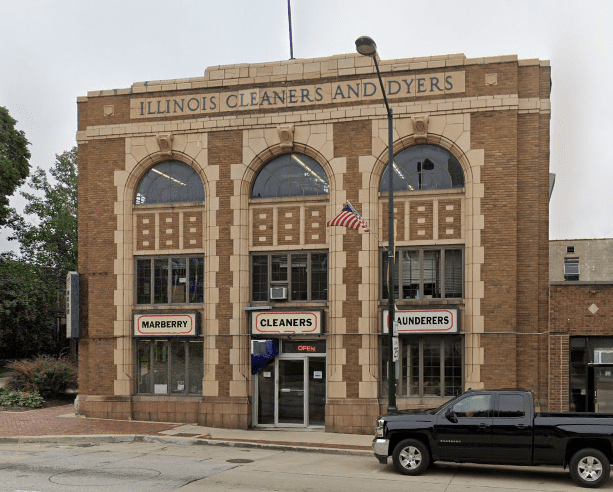
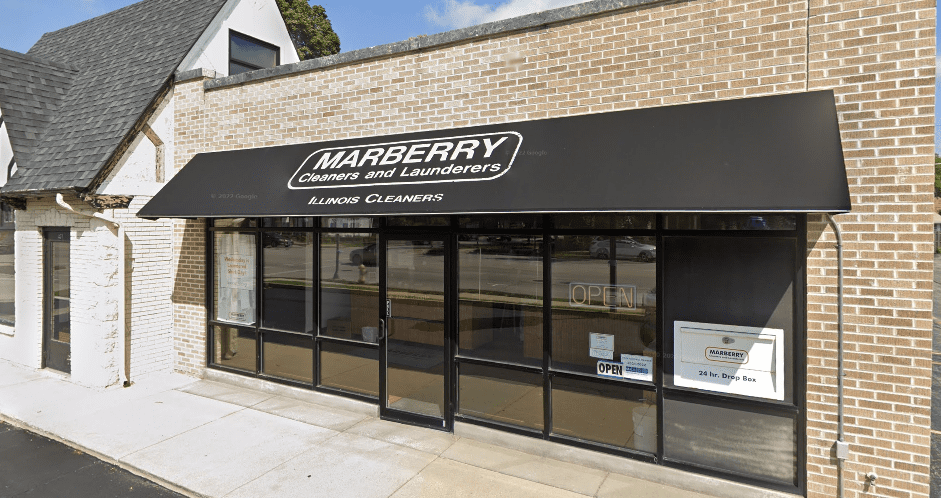
Alterations Service at Marberry Cleaners and Launderers handles requests like these all the time, from a quick waist adjustment to a full rebuild on a piece worth saving. We don't keep a tailor on site. Instead, we work with some of the most trusted tailoring specialists in the St. Charles area, people we've come to know and rely on because their work holds up. When a piece needs more than a basic fix, we bring in the right specialist for it and stay involved from drop-off to pickup, so nothing gets lost in the handoff.
If you've been searching for clothing alterations near Lombard, Illinois, bring the piece to Marberry Cleaners and Launderers first. We'll match it with a specialist suited to the actual work it needs.
Phone: (630) 587-2400
Locations:
Lombard: 200 S. Westmore Ave., Lombard, IL, 60148
Geneva: 427 W. State St., Geneva, IL, 60134
St. Charles: 315 E. Main St., St. Charles, IL, 60174
Related Articles from the same category:


Copyright © 2026 All Rights Reserved.
Designed by Cleaner Marketing