
Gravy, Wine, and Chocolate: How to Remove Easter Dinner Stains From Tablecloths
Table of Contents
The Easter ham is finally finished, dessert plates are stacked in the sink, and the children have vanished. You walk back into the dining room for the first time in an hour and see it: a dark wine splash across your favorite tablecloth, a streak of gravy near the center fold, chocolate from the egg hunt somehow on a napkin you never even noticed was used.
Take a breath. Most Easter dinner stains come out cleanly when you know what you're doing. The bad news: they become harder to treat every hour you wait. Here's exactly what to do, starting right now.
1. Blot Fresh Spills Immediately – Don't Rub
The single most important thing you can do after a spill happens at the table is to resist the urge to scrub. Rubbing a fresh spill drives the liquid deeper into the fabric threads and spreads the stain outward.
Grab a clean cloth or a few layers of paper towels and press them directly onto the spill. Let them absorb the liquid rather than pushing it around. Work from the outer edge toward the center so you don't spread the stain as you go. Rotate to a dry section of the cloth each time the spot you're using gets wet.
Even if you can only spare 60 seconds before jumping back to guests, that quick blot makes a real difference in how the stain responds later. Red wine, cranberry sauce, and fruit punch respond especially well to immediate blotting.
Quick steps:
- Press a clean, absorbent cloth directly onto the spill.
- Work from the outside edge toward the center.
- Rotate to a dry section of the cloth as it absorbs moisture.
- Never scrub — lift and press only.
2. Scrape Off Food Residue While It's Still Soft
Butter, gravy, mashed potatoes, pie filling — Easter tables are covered in foods that are easy to overlook until the meal is over. Once those foods dry and harden on linen, they bond to the fibers and require much more aggressive treatment to remove.
Before you pull the tablecloth off the table, spend a minute going over it with a spoon or the back of a butter knife. Gently lift off any thick clumps of food without pressing them further into the fabric. Think of it as clearing the surface before treatment, not scrubbing.
Once the solid residue is cleared, apply a small drop of dish soap or liquid laundry detergent directly to the spot. Dish soap is particularly effective on greasy stains such as butter, cream sauces, and salad dressing because it's formulated to cut through fat. Let it sit for three to five minutes before you move to the next step.
Tip: Deviled eggs are one of the sneakiest Easter stains. The turmeric in the yolk leaves a yellow dye that looks faint at first but intensifies if you use hot water or put it in the dryer. Treat it with cold water and a little white vinegar before washing.
3. Rinse From the Back With Cold Water
After blotting and pretreating, hold the stained section of linen under cold running water. Here's the part most people get wrong: run the water from the back side of the fabric, not the front. This pushes the stain outward through the fibers rather than driving it deeper in.
The temperature matters, too. Cold or cool water is the right call here for almost every Easter dinner stain: gravy, eggs, dairy, and wine all contain proteins or pigments that heat can permanently set into fabric. Hot water is the enemy at this stage. Save it for the washing machine cycle, and only once the stain has already been largely lifted.
You'll often be surprised at how much of the stain flushes out with just cold running water. A faint shadow might be all that's left before the linen even goes into the wash.
Cold water works best on these common Easter stains:
- Red wine and grape juice
- Gravy and meat drippings
- Egg-based dishes (deviled eggs, quiche)
- Cream sauces and dairy
- Chocolate and desserts
4. Pretreat Specific Stains Before Washing
Not all Easter dinner stains are the same, and treating them all with the same method doesn't always work. A few minutes of targeted pretreatment before the wash cycle dramatically improves your results.
Red wine:
After blotting, pour a small amount of club soda or cold sparkling water onto the stain. The carbonation helps lift the pigment. Then apply a paste of baking soda and water, leave it for 10 minutes, and brush it off before washing. Commercial stain removers such as Wine Away or OxiClean are also effective for removing red wine from cotton and linen fabrics.
Greasy stains (butter, gravy, cream sauce):
Sprinkle cornstarch or baking soda directly onto the grease and let it sit for 15 minutes. It absorbs the fat before you treat it with dish soap. Skip this step, and you risk spreading the grease further when you rinse.
Chocolate:
Let it dry first. Trying to wipe wet chocolate usually spreads it. Once dry, scrape off the solid, then treat with cold water and a little dish soap. Chocolate is a combination of fat and pigment, so a degreasing approach works well.
Candle wax:
Let it harden completely, then crack and peel it off. Place a brown paper bag over the residue and run a warm iron over it — the wax transfers to the paper. Finish with a drop of dish soap for any remaining oily residue.
5. Wash Linens Separately – and Check Before You Dry
Once you pretreat the stains, it's tempting to throw everything in with the rest of the post-dinner laundry. Don't. A tablecloth that carries red wine, turmeric, and grease is a risk to every other fabric in that load. Pigments and greasy residue can transfer during the wash cycle.
Wash the stained linens separately with a quality detergent and the warmest water temperature safe for that fabric. Check the care label first. Cotton and linen can often handle warmer water, while embroidered or decorative pieces may need a cold, gentle cycle.
The most important step most people skip: check every stain before putting the linens into the dryer. Pull them out of the washing machine while still damp and inspect each spot you treated. If any stain is still visible, treat it again and rewash. Dryer heat permanently sets stains into fabric, and once that happens, even a professional cleaner will have a harder time removing them.
When to Call a Professional Cleaner
These five steps handle most Easter dinner stains on everyday cotton and linen tablecloths. But some pieces need a different approach entirely.
If your tablecloth is a family heirloom, vintage lace, or embroidered linen that's been passed down through generations, home stain treatment is a real risk. Aggressive scrubbing and strong stain removers can damage delicate fibers, fade decorative stitching, or distort the weave of vintage fabrics in ways that can't be undone.
The same applies to any linen with a "dry clean only" tag, or tablecloths made from silk, fine damask, or other specialty fabrics. When in doubt, stop. The cost of professional cleaning is far less than replacing or permanently damaging a piece that holds real sentimental or monetary value.
Professional dry cleaners evaluate each stain individually and use fabric-safe solvents and controlled cleaning processes home washing machines simply can't replicate. A stain that's resisted two or three home wash cycles often responds to professional treatment on the first try.
Consider professional cleaning if your linens include:
- Vintage or heirloom tablecloths and runners
- Lace, embroidery, or hand-stitched decorative elements
- Silk, fine damask, or "dry clean only" fabrics
- Stains that have already been through a dryer cycle
- Multiple overlapping stains from a large dinner gathering
Still Staring at That Stain? Let Marberry Cleaners and Launderers Handle It!

Some stains just don't let go, no matter how quickly you act or how many times you rewash the linen. That's not failure on your part. It's a job for professional-grade treatment.
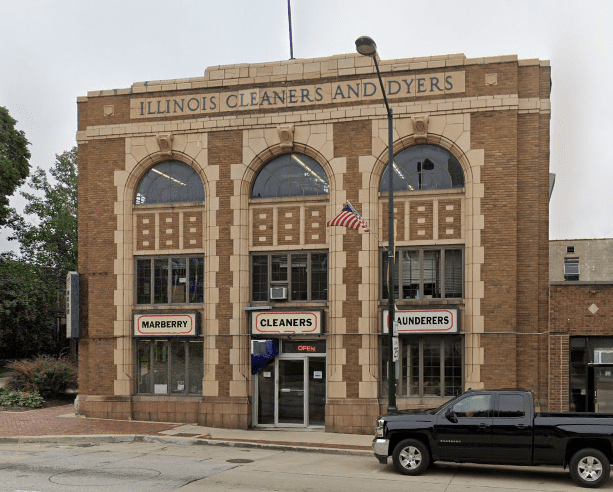
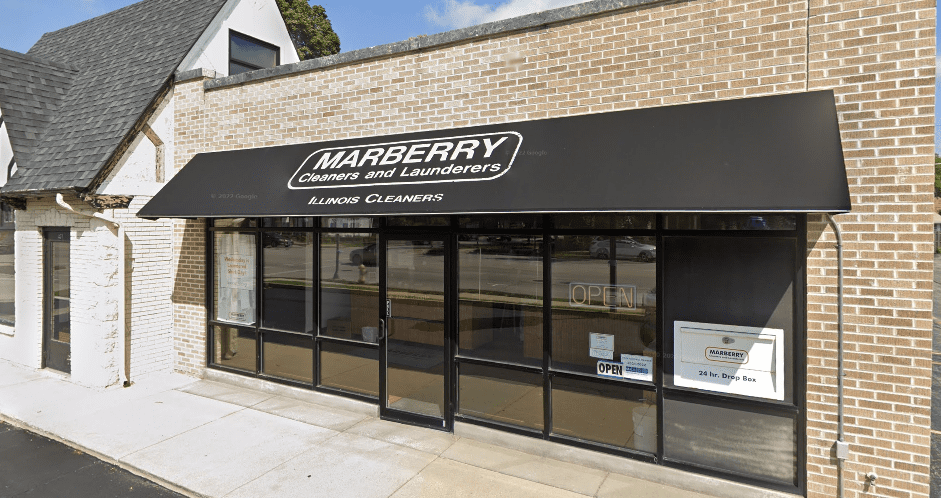
The team at Marberry Cleaners and Launderers in St. Charles, Illinois, has been caring for table linens, garments, and specialty fabrics for the western Chicago suburbs for generations. They inspect each fabric and stain individually, use specialized solvents safe for delicate fibers, and return pieces looking the way they're supposed to look.
Even better, Marberry offers FREE home and office Pickup and Delivery Service across Chicago's western suburbs, so getting your tablecloth the professional care it needs doesn't mean adding another errand to your week.
Schedule your FREE pickup today:
Online Scheduling: https://marberrycleaners.smrtapp.com/custx/login
Location: 315 E. Main St., St. Charles, IL, 60174
Phone: (630) 349-5557
Related Articles from the same category:


Copyright © 2026 All Rights Reserved.
Designed by Cleaner Marketing