
Laundry Loads That Should Always Be Kept Separate
Table of Contents
It’s the weekend, you have plans with friends, and you’re rushing to get the laundry done before heading out. So you scoop up everything and toss it all into one load without thinking twice. Later, you open the dryer and see it – whites with a faint pink tint, lint clinging to everything, and one delicate piece that seems unrecognizable. So much for saving time.
At some point, we’ve all mixed loads to save time and crossed our fingers that nothing goes wrong. Sometimes it works out, and sometimes you’re left with rough towels, dull darks, or clothes that don’t fit the same.
To help you avoid these common laundry mistakes, here are the loads that should always be kept apart.
Towels and Everyday Clothing
Towels feel soft and harmless, but in the washer, they behave like sandpaper compared to T-shirts and blouses. They’re bulky, absorbent, and textured. That combination creates problems when mixed with everyday clothing.
Lint Transfer
Towels release lint every wash, and when they share a load with dress shirts or athletic wear, that fuzz ends up everywhere.
You’ll notice:
- Dark clothes covered in fuzz
- Synthetic fabrics holding on to lint
- Extra time spent with a lint roller
Inside a professional laundry facility, towels run in their own load for this reason alone.
Abrasion from Heavy Fibers
Thick towels get even heavier in water, which means they can toss around and batter lighter pieces during the spin.
That can cause:
- Fraying at the edges
- Twisted straps
- Distorted shapes
Cotton may be strong, but repeated washing with bulky bath linens can wear it down over time.
Detergent Retention
Towels hold on to water and detergent more than lightweight clothing. If they share a load, lighter items may not rinse thoroughly.
That leftover detergent residue can:
- Cause stiffness
- Irritate sensitive skin
- Trap odors over time
Separate loads allow proper rinse cycles for each fabric type.
Delicates and Heavy Garments
Delicates aren’t limited to “nice” outfits. They cover silk, lace, lighter knits, and anything meant for a softer wash. These fabrics simply don’t tolerate the same mechanical action as jeans or hoodies.
Stretching
Lightweight fibers stretch easily when wet. Add heavy garments to the mix, and the imbalance increases strain during spinning.
You might see:
- Misshaped necklines
- Warped straps
- Knits that don’t bounce back
Wet fabric is at its weakest, and when delicate pieces are weighed down by heavier items, that stretching can become permanent.
Snagging
Zippers, hooks, buttons, and thick seams act like little anchors inside the drum. As clothes tumble, delicate materials catch and pull.
Common damage includes:
- Runs in sheer fabrics
- Pulled threads
- Torn lace
Once something snags, it’s hard to make it look perfect again.
Agitation Damage
Standard wash cycles use aggressive movement to clean durable fabrics. Delicates need slower, gentler motion.
When agitation is too strong:
- Fibers weaken
- Silk loses its sheen
- Fine fabrics break down faster
Keeping delicates separate lets you control the water temperature and cycle intensity.
Athletic Wear and Cotton Basics
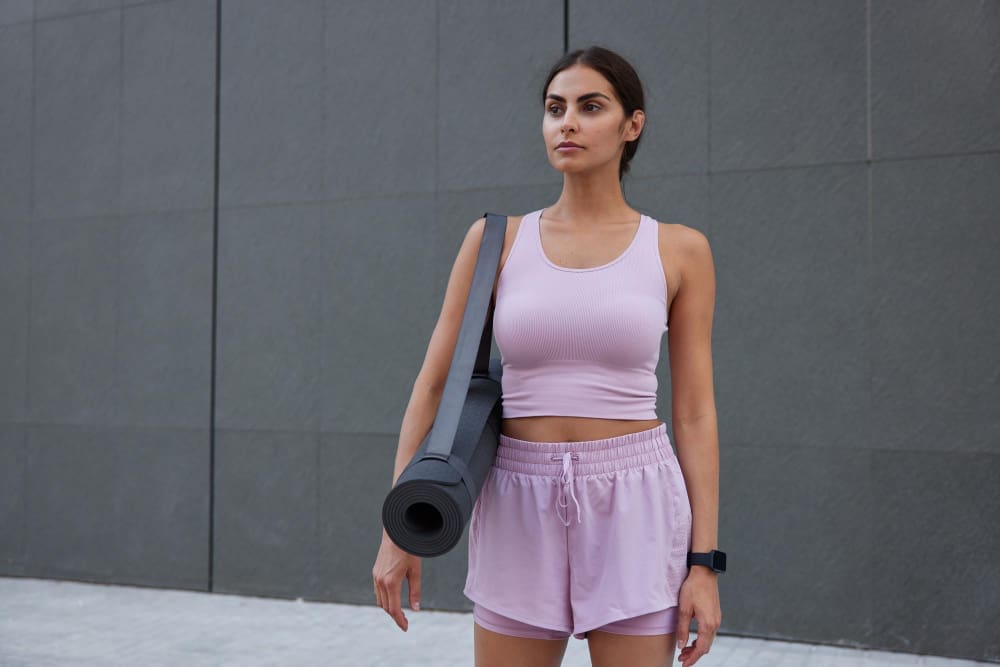
At first glance, workout clothes and cotton tees seem compatible. On the surface, they’re just casual pieces, but under the hood, they’re made differently and need specific care.
Synthetic Fabric Treatment
Athletic wear is typically made from polyester blends designed to wick moisture. These synthetic fibers trap oils deep inside.
They require:
- Cold water
- Specialized detergent
- No fabric softener
Cotton basics, on the other hand, tolerate warmer water and traditional detergent formulas. Mixing them limits how effectively you clean either one.
Odor Retention
Gym clothes hold on to sweat and bacteria more than cotton. When washed together, that odor can redistribute.
That leads to:
- Cotton shirts smelling “off” even after washing
- Lingering gym scent in other items
- Faster odor buildup over time
Professional laundry service providers treat athletic loads separately for hygienic reasons.
Different Wash Temperatures
Cotton can handle moderate heat. Synthetic performance fabrics cannot withstand heat, causing heat damage, loss of elasticity, and a breakdown of stretch fibers.
If you wash everything in warm water:
- Cotton may clean well
- Athletic wear may shrink or lose shape
If you wash everything cold:
- Athletic wear washes well
- Cotton may not release oils fully
Separate loads give each fabric what it actually needs.
Heavily Soiled Items and Lightly Worn Pieces
Not every item in your hamper carries the same level of dirt, bacteria, or sweat. Treating them the same can lead to cross-contamination.
Soil Redistribution
When heavily soiled work clothes mix with lightly worn office shirts, the wash water fills with suspended dirt particles.
If the load is overcrowded:
- Dirt can redeposit
- Light garments look dull
- Odor lingers
Water can only carry so much debris before it settles back onto the fabric.
Bacteria Transfer
Gym gear, yard work clothing, and undergarments carry higher bacterial loads. Lightly worn items simply don’t.
When combined:
- Bacteria spread through shared water
- Odor-causing microbes linger
- Hygiene standards drop
Separating loads improves sanitation and freshness.
Wash Cycle Differences
Heavily soiled clothing benefits from:
- Longer wash times
- Warmer water (when fabric allows)
- Stronger agitation
Lightly worn garments don’t need that intensity. Overwashing them leads to:
- Fading
- Fiber breakdown
- Shortened garment lifespan
A professional Wash and Fold Laundry Service adjusts cycles based on soil level. You can do the same at home with smarter sorting.
From Delicates to Darks, Marberry Cleaners and Lauderers Keeps Every Load in Good Hands
When you separate laundry the right way, your clothes last longer, look better, and feel cleaner, and that’s exactly what we do every single day at Marberry Cleaners and Launderers. We’ve proudly served busy families and professionals since 1960.
We offer FREE Pickup and Delivery Service, professionally sort every load by color and fabric, and return your items perfectly clean and neatly folded. If the laundry is piling up (and it always does!), now’s the perfect time to take it off your to-do list before it turns into another overwhelming weekend project.
Instead of spending your nights sorting piles, worrying about color bleeding, or rewashing loads that don’t turn out right, let our trusted Wash and Fold Laundry Service for Chicago homes and offices handle it for you.
Contact Marberry Cleaners and Launderers today, or schedule your dry cleaning and laundry services online.
Online Scheduling: https://marberrycleaners.smrtapp.com/custx/login
Location: St. Charles, Geneva, Batavia, and Lombard
Phone: (630) 349-5557
Related Articles from the same category:



Copyright © 2026 All Rights Reserved.
Designed by Cleaner Marketing